The Importance of Faith, Religion, and Tradition in Dementia Care
Despite all the years I’ve spent in the presence of people with dementia, it never ceases to amaze me how when a person with dementia is almost unable to speak, a familiar song or prayer can awaken something deep within them. Suddenly, words return. It all depends on what has been rooted in their hearts.
Even in my mother’s final days, she could still talk about God and assure me she was not afraid to die, because she knew she would be with Him.
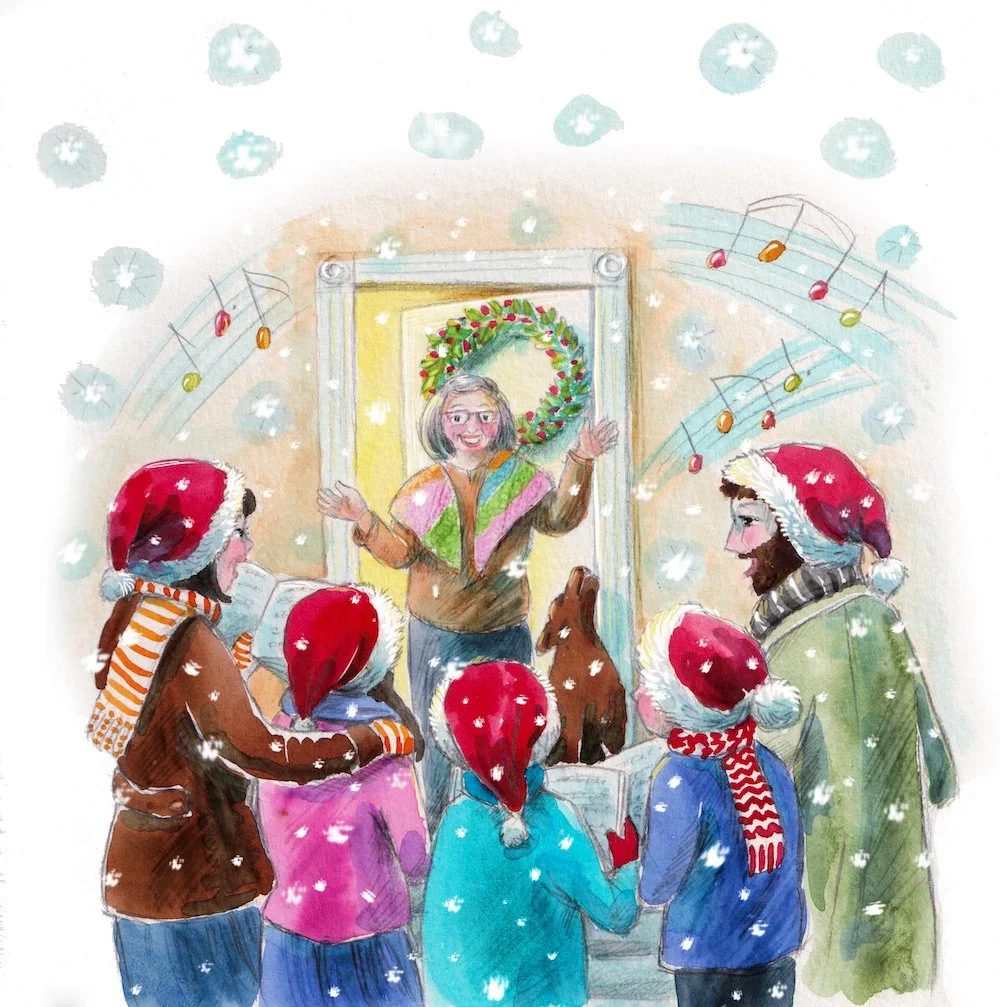
I remember one Christmas season while I was working in a memory care facility, carolers came to sing for the residents. People who had seemed expressionless began to smile, clap, laugh, and sing along. Some even became tearful. There is something about music that reaches into the soul.
I’ve also heard families say that loved ones who never seemed very religious before dementia sometimes began showing a deep desire to pray or take part in rituals. That, too, is something sacred.
I chose to include the story of the Christmas carolers in my book because I’ve witnessed moments like this again and again. It’s a reminder of how important it is for caregivers to offer opportunities for people with dementia to connect with their faith and spiritual traditions. When we see them respond with joy or peace, we know we’ve done something right. And if something doesn’t seem to fit, we can always adjust.
Professional caregivers should know the faith history of those they care for so they can create meaningful activities that nurture the person’s spirit as well as their body and mind.